

Introduction
The phrase united flight 1270 emergency quickly gained attention as travelers searched for answers about the in-flight incident, the aircraft’s response, and passenger safety. Aviation emergencies, while rare, can be alarming for those onboard and concerning for family members tracking flights in real time.
Operated by United Airlines, Flight 1270 became the focus of public discussion after reports indicated an unexpected emergency situation requiring immediate action by the flight crew. While modern aviation remains one of the safest forms of transportation, any declared emergency prompts investigation, media coverage, and understandable passenger concern.
In this comprehensive guide, we’ll break down:
- What is known about the United flight 1270 emergency
- Possible causes of in-flight emergencies
- How airline safety systems respond
- Passenger rights after emergency landings
- What aviation authorities typically investigate
Whether you’re a frequent flyer or simply seeking clarity, this in-depth analysis will help you understand the bigger picture.
Overview of the United Flight 1270 Emergency
The united flight 1270 emergency landing details began circulating shortly after the aircraft reportedly diverted from its scheduled route due to an onboard issue. While airlines often handle minor technical matters routinely, any situation requiring priority landing is categorized as an emergency.
What Typically Triggers an Emergency Declaration?
Pilots may declare an emergency for several reasons:
- Mechanical irregularities
- Engine performance alerts
- Cabin pressurization issues
- Medical emergencies onboard
- Smoke or unusual odors
- Weather-related safety concerns
In aviation, declaring an emergency does not necessarily mean catastrophic danger. It often means the crew is taking precautionary action.
Understanding How Aviation Emergencies Are Managed
The united flight 1270 emergency incident update reflects the broader aviation safety system designed to prioritize passenger well-being.
Step 1: Crew Assessment
Pilots follow strict checklists developed by aircraft manufacturers and aviation regulators. These procedures are standardized and rehearsed repeatedly in flight simulators.
Step 2: Communication With Air Traffic Control
The flight crew communicates directly with air traffic control, requesting:
- Priority landing clearance
- Emergency services on standby
- Alternate airport routing
Step 3: Cabin Preparation
Flight attendants prepare passengers by:
- Securing the cabin
- Providing safety instructions
- Positioning for landing
These protocols are practiced extensively during training.
Aircraft Safety Systems and Redundancy
Modern commercial aircraft are built with multiple layers of redundancy. For example:
- Dual or triple hydraulic systems
- Backup navigation instruments
- Multiple power sources
- Advanced warning systems
According to data from the National Transportation Safety Board, commercial aviation accident rates remain extremely low compared to other forms of transportation.
This context helps travelers understand that an emergency landing is often precautionary rather than catastrophic.
Possible Causes Behind the United Flight 1270 Emergency
While official investigations determine final conclusions, several common scenarios may explain events like the cause of united flight 1270 emergency:
1. Mechanical Alert
Aircraft systems continuously monitor performance. Even minor irregular readings may trigger precautionary landings.
2. Engine-Related Warning
Modern jet engines are highly reliable, but warning indicators may prompt pilots to land as a safety measure.
3. Medical Emergency Onboard
In some cases, a passenger medical crisis leads to diversion.
4. Cabin Pressurization Concerns
Aircraft cabins are pressurized at high altitudes. Any anomaly requires immediate descent and possible landing.
Where Did the United Flight 1270 Emergency Landing Occur?
Reports referencing the united flight 1270 emergency landing airport indicate that pilots typically choose the nearest suitable airport with:
- Adequate runway length
- Emergency response capabilities
- Maintenance facilities
Major diversion hubs often include airports like:
- Denver International Airport
- Chicago O’Hare International Airport
- George Bush Intercontinental Airport
These airports are equipped to handle emergency arrivals efficiently.
Passenger Experience During the United Flight 1270 Emergency
Passengers on flights experiencing emergency diversions may report:
- Noticeable descent changes
- Calm but firm crew instructions
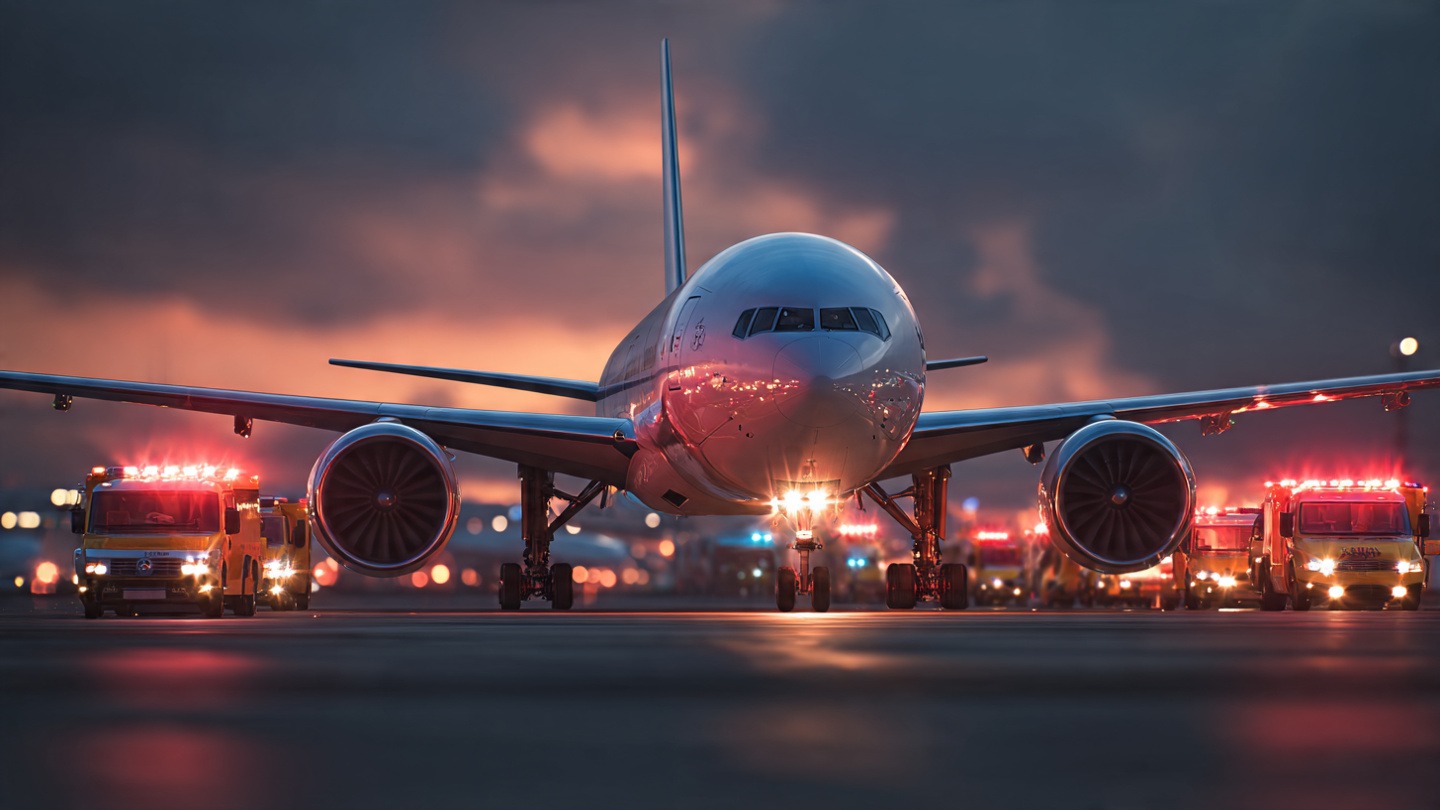
- Emergency vehicles visible upon landing
- Temporary delays on the runway
In most cases, passengers disembark safely and are rebooked on alternate flights.
Airline Response and Communication
Following incidents such as the united flight 1270 emergency today news, airlines typically:
- Issue an official statement
- Confirm passenger safety
- Coordinate rebooking
- Provide accommodations if needed
- Cooperate with regulatory authorities
Transparency is critical in maintaining public trust.
Investigation and Regulatory Oversight
After any emergency declaration, investigations may involve:
- Airline internal safety teams
- Aircraft manufacturer specialists
- Federal aviation authorities
In the United States, oversight may include collaboration with the Federal Aviation Administration and the National Transportation Safety Board.
Investigations typically examine:
- Flight data recorder information
- Cockpit voice recorder data
- Maintenance logs
- Crew performance
- Environmental conditions
Passenger Rights After an Emergency Landing
Passengers affected by the united flight 1270 emergency may be entitled to:
- Rebooking on the next available flight
- Meal vouchers (depending on cause)
- Hotel accommodations for overnight delays
- Refund options (in some circumstances)
Policies vary depending on whether the cause was within airline control.
Aviation Safety by the Numbers
To provide perspective:
- Commercial aviation accident rates remain below 0.5 per million departures in many regions.
- Aircraft undergo rigorous maintenance inspections.
- Pilots complete recurrent training every 6–12 months.
These statistics underscore how rare serious in-flight emergencies are.
Case Study: Precautionary Landings in Commercial Aviation
In recent years, several airlines have executed precautionary landings due to:
- Engine vibration alerts
- Hydraulic pressure readings
- Bird strikes
In most cases, passengers landed safely, and issues were resolved quickly. The United flight 1270 emergency fits into this broader pattern of proactive aviation safety.
How Airlines Prevent Future Emergencies
After events like the United flight 1270 emergency, airlines may:
- Conduct additional aircraft inspections
- Review maintenance procedures
- Update pilot guidance
- Implement technical service bulletins
Continuous improvement is central to aviation safety culture.
What Travelers Can Do After an Emergency Flight
If you were onboard:
- Keep boarding passes and receipts
- Contact customer service for rebooking
- Monitor email updates
- File travel insurance claims if necessary
- Stay informed via official airline channels
Remaining calm and informed helps streamline recovery.
Frequently Asked Questions (FAQs)
1. Was the United flight 1270 emergency dangerous?
While any emergency is serious, precautionary landings are often performed out of caution. Commercial aviation safety standards are extremely high.
2. What caused the United flight 1270 emergency?
The final determination depends on official investigation findings. Possible causes include mechanical alerts, medical emergencies, or environmental conditions.
3. Were passengers injured during the incident?
Most emergency landings conclude without injuries. Official airline statements typically confirm passenger status.
4. How long do investigations take?
Investigations may take weeks or months depending on complexity.
5. Can passengers receive compensation?
Compensation eligibility depends on the cause of the emergency and airline policy.
Conclusion
The united flight 1270 emergency highlights how aviation safety systems function under real-world conditions. While unexpected diversions can be unsettling, they demonstrate the effectiveness of layered safety protocols, pilot training, and aircraft design redundancy.
Commercial aviation remains statistically one of the safest transportation methods worldwide. Emergency declarations, though rare, reflect caution not failure.
By understanding procedures, passenger rights, and investigation processes, travelers can approach such situations with clarity and confidence.
Call to Action
If you were affected by the United flight 1270 emergency or want updates, monitor official airline announcements and aviation authority reports. Stay informed, know your rights, and travel prepared.
Read More: United Airlines Flight Changes August 12: Complete Guide for Travelers
