

Introduction
The united flight ua623 diversion quickly became a topic of discussion among aviation observers and passengers alike. Flight diversions, while relatively uncommon, are a routine part of airline safety management. When a commercial aircraft changes course mid-flight, it is typically done out of caution and adherence to strict safety protocols.
Operated by United Airlines, Flight UA623 experienced an unexpected situation that required the crew to alter its planned route. Whether due to weather, mechanical alerts, medical emergencies, or operational considerations, diversions demonstrate how modern aviation prioritizes passenger safety above schedule adherence.
In this comprehensive guide, we will explore the united flight ua623 diversion, examine possible causes, review airline safety systems, and outline what travelers should expect when flights are redirected.
Overview of the United Flight UA623 Diversion
The united flight ua623 diversion involved a mid-route change that redirected the aircraft to an alternate airport. In aviation, diversions occur when continuing to the original destination is no longer the safest or most practical option.
Although diversions may appear alarming, they are usually precautionary. Pilots are trained to make conservative decisions whenever a risk factor emerges.
Common Diversion Triggers
Flight diversions typically happen due to:
- Mechanical system alerts
- Medical emergencies onboard
- Severe weather patterns
- Air traffic congestion
- Security concerns
In the case of the United Airlines UA623 emergency diversion reason, early reports often focus on technical or precautionary factors rather than confirmed failures.
Understanding Why United Flight UA623 Diversion Occurred
While official investigations determine precise causes, several scenarios commonly lead to a united flight ua623 diversion:
1. Mechanical Alerts
Modern aircraft are equipped with sophisticated sensors. If a system indicates abnormal readings such as temperature fluctuations or hydraulic pressure concerns the crew may opt for a diversion.
Importantly, this does not necessarily mean something has failed. It often means the aircraft needs inspection before continuing.
2. Medical Emergencies
Passenger health emergencies remain one of the leading causes of diversions worldwide. In such cases, pilots coordinate with ground medical services to land at the nearest suitable airport.
3. Weather Disruptions
Thunderstorms, crosswinds, or unexpected turbulence can make the original destination temporarily unsafe.
4. Security-Related Concerns
Any credible onboard security issue can prompt an immediate change of course.
The United flight UA623 diverted due to technical issue scenario is among the most frequently cited possibilities in similar cases.
Aviation Safety Systems Behind the United Flight UA623 Diversion
Commercial aviation operates under strict regulatory oversight. In the United States, the Federal Aviation Administration (FAA) sets and enforces safety standards.
For official guidelines on airline safety oversight, refer to the FAA’s safety program information at.
Multi-Layer Safety Protections
Aircraft safety systems include:
- Redundant flight control computers
- Backup electrical systems
- Dual hydraulic circuits
- Advanced diagnostic monitoring
When discussing the United flight UA623 unscheduled landing update, it’s crucial to understand that aircraft are designed to continue flying safely even after a system irregularity.
Diversion decisions are made conservatively and professionally.
What Happens During a United Flight UA623 Diversion?
When a diversion occurs, pilots follow a structured process:
- Identify the Issue – Cockpit alerts or crew observations trigger review.
- Consult Checklists – Standard Operating Procedures guide response.
- Notify Air Traffic Control – ATC prioritizes routing.
- Select Alternate Airport – Based on runway length, weather, and services.
- Prepare Cabin Crew – Passengers receive instructions.
During the United Airlines flight UA623 diverted mid-air incident, passengers likely experienced calm announcements and minimal cabin disruption.
Passenger Experience During the United Flight UA623 Diversion
Passengers often describe diversions as confusing but orderly.
Typical onboard observations may include:
- Announcement of route change
- Descent earlier than expected
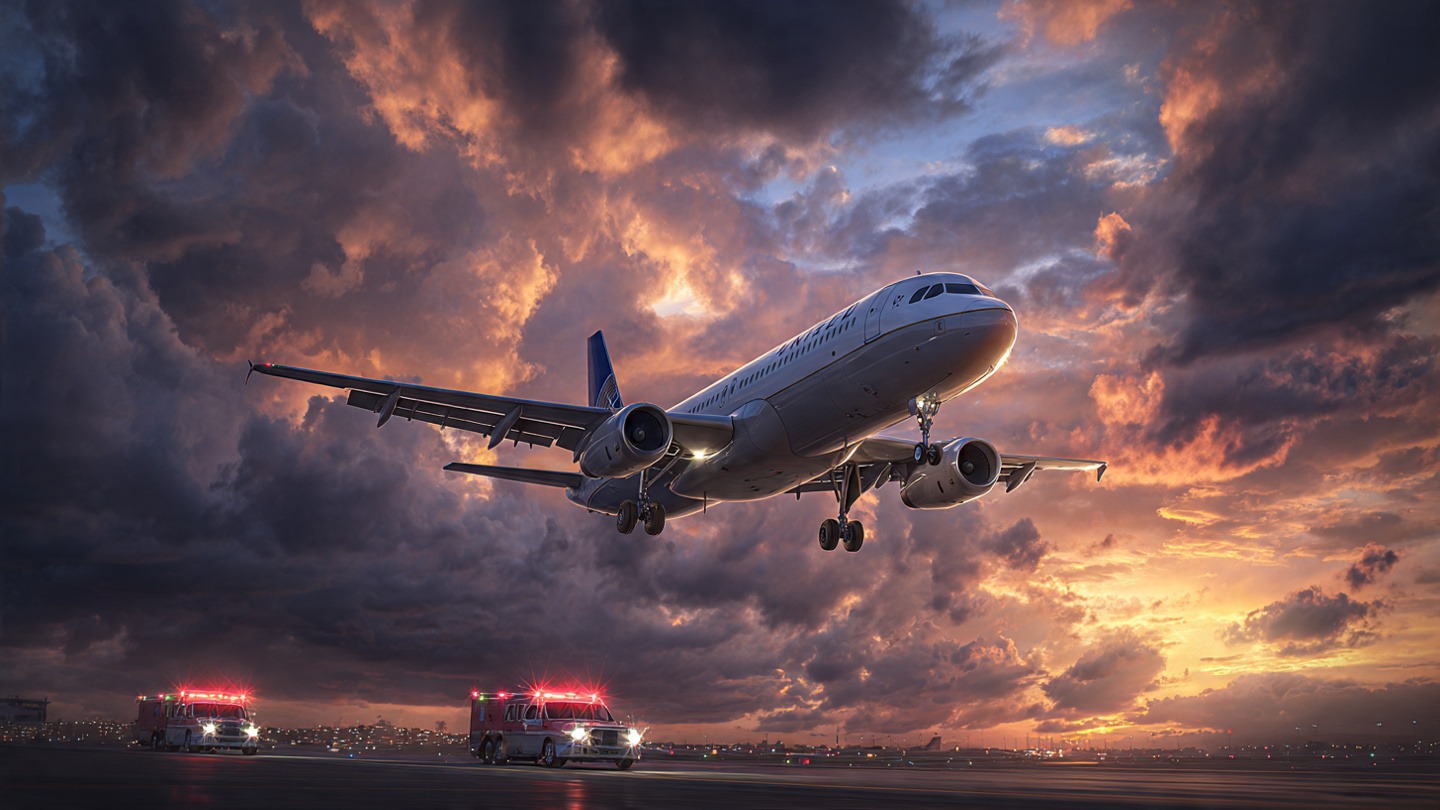
- Emergency vehicles visible upon landing (as precaution)
- Delays in disembarking
In the passenger reaction to United flight UA623 diversion, social media often amplifies speculation before official statements clarify details.
How Airlines Support Passengers After Diversion
Following an unscheduled landing, airlines typically:
- Arrange replacement aircraft
- Rebook connecting passengers
- Provide meal vouchers if delays extend
- Offer accommodation when necessary
How Common Are Diversions in Commercial Aviation?
Although they generate headlines, diversions are statistically rare compared to the volume of global flights.
According to aviation data:
- Millions of flights operate safely each year.
- Diversions account for a small percentage of operations.
- The majority of diverted flights land without incident.
The united flight ua623 diversion should be viewed in this broader safety context.
The Investigation Process After a Diversion
After a significant diversion event, airlines conduct internal reviews. In some cases, the National Transportation Safety Board may become involved if mechanical issues are suspected.
The review process includes:
- Flight data recorder analysis
- Maintenance log inspection
- Crew debriefings
- System diagnostics
The United Airlines UA623 emergency diversion reason will ultimately be clarified through such investigations.
Case Study: Why Diversions Demonstrate Safety Working
Consider a hypothetical scenario where a cockpit warning light indicates a minor hydraulic imbalance. The aircraft can still operate safely, but protocol requires landing at the nearest suitable airport.
By diverting early, the airline:
- Avoids potential escalation
- Ensures passenger safety
- Allows maintenance teams to inspect thoroughly
The United flight UA623 diverted due to technical issue scenario would reflect this safety-first philosophy.
Financial and Operational Impact of Diversions
Diversions are costly for airlines. Expenses may include:
- Additional fuel
- Crew overtime
- Passenger compensation
- Aircraft repositioning
- Maintenance inspections
Despite financial implications, airlines prioritize safety over cost efficiency.
Public Perception and Media Coverage
The United Airlines flight UA623 diverted mid-air incident likely attracted online attention. Flight-tracking platforms allow the public to observe route changes in real time.
However, it’s important to rely on official updates rather than speculation.
Airlines typically release statements once verified information becomes available.
Key Takeaways from the United Flight UA623 Diversion
The united flight ua623 diversion underscores several critical aviation principles:
- Safety decisions override schedule commitments.
- Diversions are often precautionary.
- Aircraft are built with layered redundancy.
- Regulatory oversight ensures accountability.
Frequently Asked Questions (FAQs)
1. Why was United Flight UA623 diverted?
Diversions typically occur due to technical alerts, medical emergencies, weather conditions, or security concerns. Official investigations determine the precise cause.
2. Was the United flight UA623 diversion dangerous?
Most diversions are precautionary and end safely. Aircraft are designed to handle irregularities without compromising safety.
3. Do passengers receive compensation after a diversion?
Compensation depends on airline policy and delay duration. Airlines often provide rebooking support and accommodations if needed.
4. How long does it take to resume travel after diversion?
Timelines vary depending on aircraft inspection results and replacement flight availability.
5. Who investigates airline diversions?
Airlines conduct internal reviews, and regulators like the FAA may assess compliance if necessary.
Broader Aviation Safety Context
Commercial aviation remains one of the safest transportation methods globally. Diversions such as the United flight UA623 unscheduled landing update reflect a proactive safety culture rather than system failure.
Every decision—from cockpit alerts to ground coordination is guided by decades of safety data and regulatory standards.
Conclusion
The united flight ua623 diversion serves as a reminder that aviation safety is built on caution, preparation, and redundancy. While mid-air route changes can cause inconvenience, they demonstrate the effectiveness of modern safety systems.
Whether triggered by a technical alert, medical emergency, or weather disruption, diversions are executed under strict procedural discipline. The professionalism of pilots, cabin crew, air traffic controllers, and maintenance teams ensures that passengers reach their destinations safely—even if the journey takes an unexpected turn.
If you want to stay informed about aviation safety updates, airline operations, and passenger rights, subscribe to our newsletter today. Knowledge empowers confident travel.
Read more: United Airlines Flight UA82 Emergency: What Happened, Why It Matters, and Key Safety Insights
