

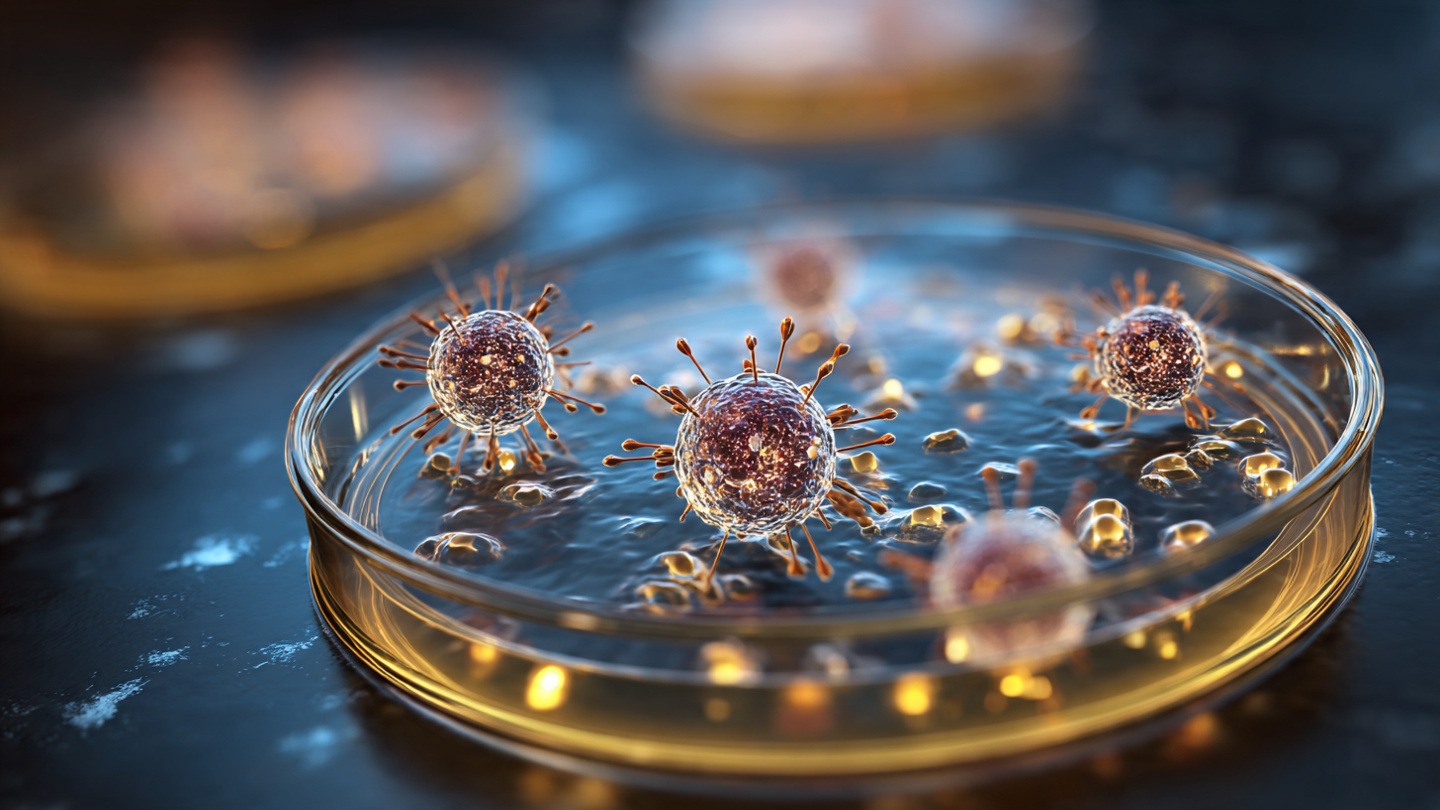
When you hear the word “virus,” most people immediately think of human pathogens. Influenza. COVID-19. Measles. Rarely do we consider viruses that target bacteria. Yet, bacteriophages or phages for short are nature’s ultimate specialists.
Lab Report 14 bacteriophage specificity dives into exactly that: which phages infect which bacteria, why they’re picky, and how scientists measure and interpret that specificity in the lab.
This isn’t just academic curiosity. Phage specificity has implications for alternative therapies, food safety, and microbial research.
What bacteriophage specificity really means
A bacteriophage isn’t a universal predator. Unlike broad-spectrum antibiotics, most phages have narrow targets. They recognize specific receptors on bacterial surfaces proteins, lipopolysaccharides, or even capsule structures.
In practical terms: one phage might infect E. coli O157:H7 but leave Salmonella enterica completely untouched. That selectivity is what lab report 14 focuses on, often using plaque assays to quantify infection patterns.
Understanding specificity helps us:
- Map bacterial susceptibility
- Identify phages for therapeutic use
- Predict evolutionary arms races between bacteria and phages
Methods used in lab report 14
The lab typically involves several core steps:
1. Isolate the phage
Phages can be sourced from environmental samples like wastewater or soil. Once isolated, they are purified to ensure only one phage type is studied.
2. Prepare bacterial lawns
Cultures of target bacteria are spread evenly on agar plates. This uniform layer helps visualize where phages can infect.
3. Perform spot tests or plaque assays
A small drop of phage suspension is applied to the bacterial lawn. After incubation, clear zones (plaques) indicate bacterial lysis.
4. Record host range
Multiple bacterial strains are tested. The presence or absence of plaques determines which bacteria the phage can infect.
This is where specificity becomes measurable: some phages produce plaques on dozens of strains, while others only infect one.
Real-life examples from lab 14
In a recent experiment, lab report 14 tested five phages against ten bacterial strains:
- Phage A: lysed 8 out of 10 strains of E. coli
- Phage B: lysed only 1 strain of Salmonella
- Phage C: no lysis observed, suggesting receptor mismatch
- Phage D: lysed 5 E. coli strains and 2 Shigella strains, showing broader specificity
- Phage E: lysed all tested E. coli strains, potentially useful in phage therapy
These data reveal patterns that are crucial for applications like treating bacterial infections when antibiotics fail.
Why phage specificity matters
- Therapeutic potential
Targeted phages reduce collateral damage to beneficial microbiota, unlike antibiotics. Studies have shown phage therapy can successfully treat Pseudomonas infections in cystic fibrosis patients. - Food safety
Phages specific to Listeria monocytogenes are applied in ready-to-eat foods to prevent contamination without affecting other bacteria. - Research tools
Specific phages allow scientists to selectively manipulate bacterial populations in mixed cultures. You can essentially “edit” bacterial communities without genetic engineering.
You can explore phage-host interaction data in detail at PhagesDB, which catalogs host range and genome information for thousands of phages.
Factors influencing specificity
Several factors affect whether a phage can infect a bacterium:
- Receptor presence: If the bacterial surface lacks the specific receptor, infection won’t occur.
- Bacterial defense systems: CRISPR-Cas and restriction-modification systems can block phages.
- Environmental conditions: Temperature, pH, and ionic strength can influence adsorption and infection efficiency.
Lab report 14 usually accounts for these by controlling experimental conditions and testing multiple strains under identical conditions.
FAQs
What is the main takeaway from lab report 14?
Phages are highly selective, and understanding which bacteria they infect is essential for therapy, research, and food safety applications.
Can one phage infect multiple bacterial species?
Some phages have broader host ranges, but most are species- or strain-specific. Lab assays determine the exact pattern.
Why is specificity better than broad-spectrum antibiotics?
Targeted phages reduce harm to beneficial bacteria and decrease the risk of dysbiosis.
Where can I find more phage specificity data?
PhagesDB provides detailed host range information, genome data, and lab protocols for researchers worldwide.
The bigger picture
Lab report 14 bacteriophage specificity isn’t just about counting plaques. It’s about understanding the delicate dance between predator and prey in the microscopic world.
Every clear spot on a bacterial lawn tells a story: receptor recognition, evolutionary pressure, and potential applications in medicine or industry.
Phages are tiny but mighty, and their specificity reminds us how precision matters in both nature and the lab.
