

Magnesium Metal Plus Silver Acetate What Happens When They Meet
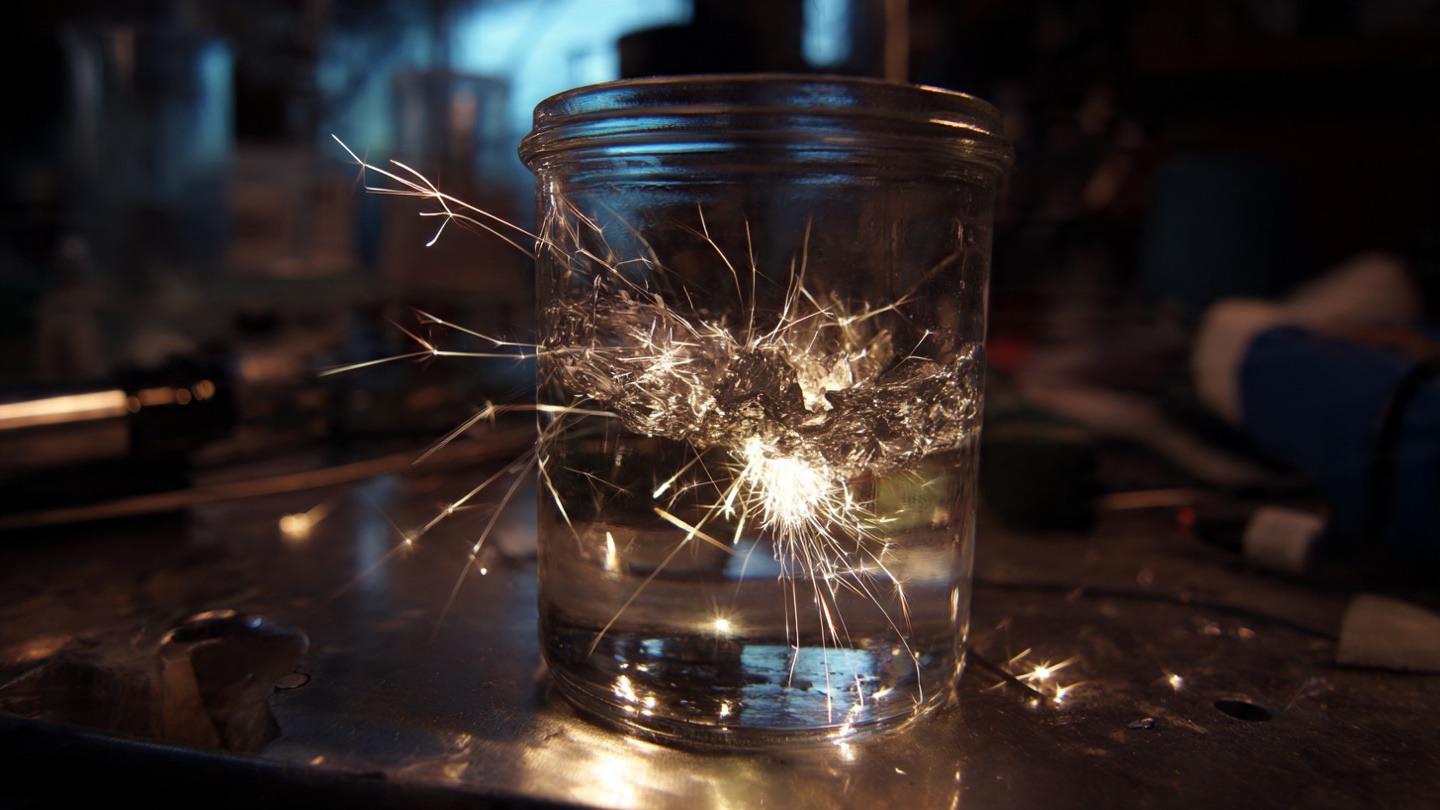
When you bring magnesium metal plus silver acetate together, the reaction is a bit like setting up a tiny fireworks show in a chemistry lab. Not dangerous if handled correctly, but definitely exciting to watch.
Magnesium is a highly reactive metal, and silver acetate is a soluble silver salt. When combined, a single replacement reaction occurs magnesium replaces silver in the compound. The result? Metallic silver precipitates out, and magnesium acetate forms in solution.
This is a classic demonstration in inorganic chemistry, often used to show how a more reactive metal can displace a less reactive one.
The Chemistry Behind the Reaction
The reaction is pretty straightforward if you break it down:
Mg(s) + 2 AgC₂H₃O₂(aq) → Mg(C₂H₃O₂)₂(aq) + 2 Ag(s)
Here’s what happens step by step:
- Magnesium metal enters the solution containing silver acetate.
- Magnesium atoms donate electrons to silver ions (Ag⁺).
- Silver ions get reduced to metallic silver, which precipitates.
- Magnesium itself gets oxidized, forming magnesium acetate in solution.
It’s a neat illustration of redox chemistry in action. If you’re teaching or learning chemistry, this is one of those reactions that sticks in your mind because you can literally see the metal changing.
Why This Reaction is So Interesting
There are a few reasons chemistry enthusiasts love this one:
- Visual impact: The formation of shiny silver crystals on the magnesium surface is almost magical.
- Clear demonstration of reactivity series: Magnesium sits above silver, so it displaces silver from its compound perfect for educational labs.
- Real-life relevance: While this exact reaction isn’t industrially common, the underlying principles apply in metallurgy and silver recovery processes.
You can actually read about similar metal displacement reactions and industrial applications on educational chemistry portals like ChemLibreTexts.
Laboratory Procedure and Observations
If you were to carry out this reaction in a controlled setting:
- Place a small strip of clean magnesium in a beaker.
- Pour a solution of silver acetate over it.
- Watch as tiny silver particles begin forming on the magnesium surface.
- The solution gradually turns into magnesium acetate, which is colorless.
Some observations you might notice:
- The silver often forms granular or spongy deposits rather than smooth crystals.
- The reaction is more vigorous if the magnesium surface is freshly polished.
- Little to no gas evolution occurs; this is a clean redox reaction.
This reaction is safe for educational purposes, but proper PPE is a must gloves, goggles, and lab coat are non-negotiable.
Real-World Applications
While students mostly encounter this reaction in labs, the principles have real-world significance:
- Metal purification: Displacement reactions are sometimes used to extract metals from compounds.
- Silver recovery: Industrial chemistry can use similar reactions to recover silver from waste streams.
- Educational demonstrations: Chemistry teachers often use this reaction to engage students and explain electron transfer.
For those curious about industrial-scale metal recovery techniques, Royal Society of Chemistry provides case studies and research papers detailing silver and other metal recycling processes.
Safety Considerations
Even though this reaction seems simple, safety is critical:
- Wear protective equipment: Magnesium is reactive, and silver acetate is mildly toxic.
- Avoid open flames: Magnesium can burn if heated excessively.
- Handle waste responsibly: Silver-containing solutions should be disposed of according to local chemical disposal regulations.
- Work in a ventilated space: Fine silver dust can become airborne; avoid inhalation.
Following these precautions ensures the reaction stays educational, not hazardous.
FAQs
What happens when magnesium reacts with silver acetate?
Magnesium replaces silver, forming magnesium acetate in solution and metallic silver as a precipitate.
Is this reaction dangerous?
Not if proper lab safety is followed gloves, goggles, and ventilation are important. Avoid open flames.
Can this reaction be used to recover silver?
Yes, principles of this reaction apply to industrial silver recovery from waste compounds.
Does the reaction produce gas?
No significant gas is produced; it’s a solid-liquid redox reaction.
Why is magnesium used instead of other metals?
Magnesium is more reactive than silver, so it can effectively displace silver ions from solution.
Conclusion
The combination of magnesium metal plus silver acetate is more than just a textbook reaction. It’s a visually satisfying, conceptually clear example of how redox chemistry works in real life.
From creating spongy silver deposits to demonstrating the reactivity series, this reaction brings abstract chemical principles to life.
For students and enthusiasts alike, it’s a perfect reminder that chemistry isn’t just equations it’s dynamic, observable, and surprisingly beautiful.
