

Introduction
The united airlines flight ua82 emergency quickly captured attention across aviation circles and news platforms, raising questions about in-flight safety procedures, airline accountability, and passenger well-being. When an aircraft operating a long-haul international route encounters an unexpected issue, the ripple effects extend beyond a single flight influencing public perception, airline operations, and aviation policy.
In this in-depth article, we’ll explore what happened during the united airlines flight ua82 emergency, how airlines handle emergency situations, the safety systems that protect passengers, and what travelers can learn from such incidents. We’ll also break down official aviation protocols, expert insights, and frequently asked questions to give you a complete understanding of the event.
Overview of United Airlines Flight UA82 Emergency
United Airlines Flight UA82 is typically a long-haul international service connecting major global cities. Long-haul routes operate under strict international aviation standards and are supported by advanced aircraft systems designed to handle mechanical, medical, and environmental challenges.
The united airlines flight ua82 emergency reportedly involved an unexpected issue that required the flight crew to declare an emergency and adjust the flight’s original plan. When pilots declare an emergency, it does not automatically mean imminent danger; rather, it signals that the crew requires priority handling from air traffic control.
Key Elements of the Incident
While specific operational details vary depending on reports, emergency situations generally fall into categories such as:
- Mechanical irregularities
- Cabin pressurization concerns
- Medical emergencies onboard
- Weather-related diversions
- Technical warning alerts
In cases like the united airlines flight ua82 emergency landing details, the aircraft may divert to the nearest suitable airport equipped to handle wide-body jets and international passengers.
Understanding How Aviation Emergencies Work
Aviation is one of the safest modes of transportation globally. According to the International Air Transport Association (IATA), the global accident rate remains historically low compared to other transportation sectors.
When a situation arises mid-flight, pilots follow strict checklists and Standard Operating Procedures (SOPs). These procedures are designed to eliminate guesswork and prioritize safety.
Step-by-Step Emergency Response Protocol
- Issue Identification – Automated cockpit systems alert pilots.
- Checklist Execution – Crews consult aircraft manuals.
- Communication with ATC – Air traffic control receives emergency notification.
- Diversion Decision – Pilots select the safest alternative airport.
- Ground Coordination – Emergency crews prepare for arrival.
In the context of the united airlines flight ua82 emergency cause investigation, aviation authorities carefully review cockpit data, maintenance records, and crew reports to determine root causes.
For official aviation safety guidelines, you can refer to the Federal Aviation Administration (FAA).
Aircraft Systems and Safety Redundancy
Modern commercial aircraft are designed with multiple layers of redundancy. This means:
- Dual or triple backup hydraulic systems
- Multiple electrical power sources
- Redundant flight control computers
- Backup navigation systems
When discussing the United Airlines UA82 flight emergency diversion update, it is important to understand that diversions are precautionary measures in many cases. Pilots may land the aircraft not because of confirmed failure, but because of abnormal readings that require inspection.
United Airlines Flight UA82 Emergency Landing Details
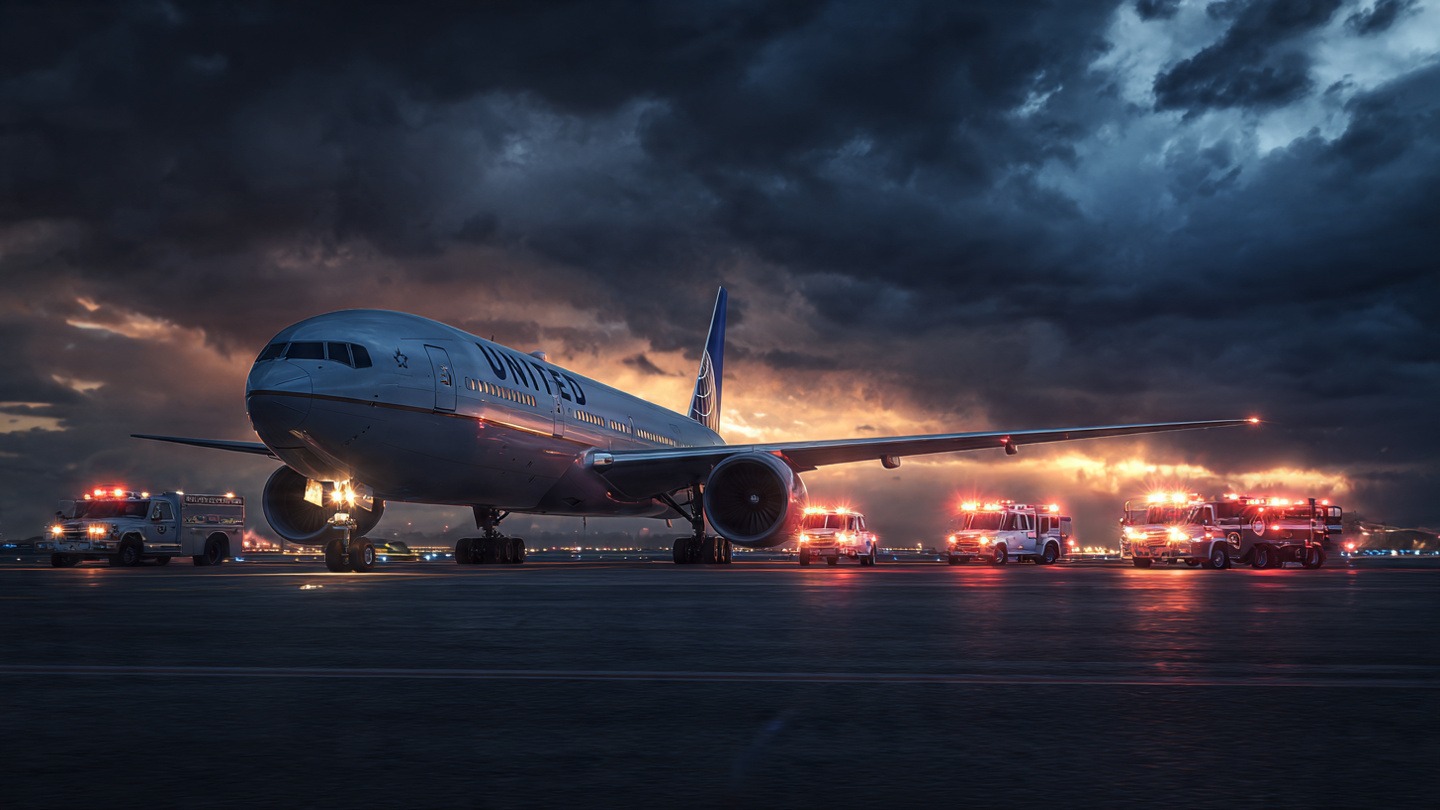
During the united airlines flight ua82 emergency landing details, reports suggest that the aircraft landed safely after the crew declared an emergency. Emergency vehicles often line the runway as a precaution whenever a pilot signals urgency.
This visual presence can appear dramatic but is standard procedure.
Why Emergency Landings Are Often Precautionary
- Sensors may indicate irregular temperature readings.
- Cabin systems may detect minor smoke traces.
- Medical events require rapid airport access.
- Weather patterns may deteriorate unexpectedly.
In most such cases, passengers disembark normally after landing, and the aircraft undergoes inspection before returning to service.
Passenger Experience During the United Airlines Flight UA82 Emergency
Passengers involved in the United Airlines flight UA82 emergency passenger experience often describe a mixture of confusion and calm professionalism from the crew.
Cabin crew training includes:
- Emergency medical response
- Fire suppression techniques
- Evacuation drills
- Passenger reassurance communication
Long-haul flights like UA82 typically carry hundreds of passengers. Maintaining order and preventing panic is a critical part of in-flight management.
Common Passenger Observations in Emergency Situations
- Calm announcements from the cockpit
- Reduced cabin service
- Flight attendants securing the cabin
- Slight changes in flight path
Importantly, emergency declarations are handled discreetly to avoid unnecessary alarm.
The Investigation Process: What Happens After an Emergency?
Whenever an airline reports an incident, aviation regulators initiate a review. In the United States, the investigation may involve:
- Federal Aviation Administration
- National Transportation Safety Board
The united airlines flight ua82 emergency cause investigation process includes:
- Flight data recorder analysis
- Cockpit voice recorder review
- Maintenance log examination
- Crew interviews
- Technical system checks
Investigations determine whether the issue was mechanical, human, environmental, or procedural.
United Airlines’ Safety Record and Operational Standards
United Airlines operates one of the largest fleets in the world. Major carriers undergo regular audits, compliance checks, and maintenance inspections under strict international aviation regulations.
Safety standards include:
- Routine aircraft inspections
- Mandatory crew training cycles
- Real-time operational monitoring
- Predictive maintenance systems
While incidents like the United Airlines UA82 flight emergency diversion update may raise concerns, they often demonstrate that safety systems function as intended.
Aviation Statistics: Putting Emergencies Into Perspective
Globally, millions of flights operate safely each year. According to aviation data:
- Commercial aviation accident rates remain extremely low.
- Emergency diversions account for a small fraction of total flights.
- The majority of declared emergencies result in safe landings without injury.
The united airlines flight ua82 emergency should be viewed within this broader safety framework.
How Airlines Communicate During Emergencies
Airlines follow crisis communication protocols designed to:
- Inform passengers accurately
- Provide timely updates
- Avoid speculation
- Coordinate with regulatory bodies
In the digital age, flight tracking websites and social media amplify awareness of events like the united airlines flight ua82 emergency, often before official statements are issued.
Transparency plays a key role in maintaining trust.
Lessons for Passengers: What You Should Know
While airline emergencies are rare, passengers can prepare by:
- Listening carefully to safety briefings
- Not ignoring safety cards
- Following crew instructions immediately
- Remaining calm during announcements
Emergency landings, such as those seen in the United Airlines flight UA82 emergency passenger experience, typically end safely due to strict aviation protocols.
Broader Impact of the United Airlines Flight UA82 Emergency
Incidents like this influence:
- Airline maintenance reviews
- Regulatory audits
- Public perception of airline safety
- Media coverage of aviation
They can also lead to internal procedural improvements even when no serious fault is found.
FAQs About United Airlines Flight UA82 Emergency
1. What caused the United Airlines Flight UA82 emergency?
The exact cause depends on official investigations. Typically, such emergencies involve technical alerts, medical events, or precautionary diversions.
2. Was anyone injured during the United Airlines Flight UA82 emergency?
In most airline emergency landings, passengers disembark safely without injury. Official reports would confirm any injuries if applicable.
3. Why do aircraft declare emergencies if there is no visible danger?
Pilots declare emergencies to receive priority landing clearance and additional ground support. It is often a precautionary safety measure.
4. How common are emergency diversions?
Emergency diversions are relatively rare compared to the total number of global flights each day. Aviation remains one of the safest travel methods.
5. What happens to the aircraft after an emergency landing?
The aircraft undergoes a full inspection by maintenance crews before returning to service.
Conclusion
The united airlines flight ua82 emergency highlights how aviation safety systems are designed not just to respond to crises but to prevent them from escalating. From cockpit redundancy to crew training and regulatory oversight, every layer of commercial aviation focuses on passenger protection.
While emergency declarations can sound alarming, they are often evidence that safety protocols are working exactly as intended. The coordinated response between pilots, air traffic control, airline operations teams, and ground emergency crews demonstrates the strength of modern aviation systems.
If you found this detailed breakdown helpful, consider subscribing to our aviation insights newsletter for more expert analysis on airline safety, industry updates, and travel guidance. Stay informed. Stay prepared. Travel confidently.
Read more: United Flight 1270 Emergency: What Happened, Safety Protocols, and Passenger Rights
